Tulpa Movie
Slate I.
Structured film capital. Six commercially positioned features, one Special Purpose Vehicle (SPV) - engineered for portfolio behaviour, contractual investor priority, and institutional governance.
Return figures based on independent probabilistic modelling · FrameSage methodology ↗
One vehicle.
Six positions.
A slate is a portfolio of films developed, financed, and governed inside one Special Purpose Vehicle (SPV). Capital enters once. Exposure is distributed across six productions, release windows, and revenue streams - reducing dependence on any single project's commercial outcome. A professionally constructed slate behaves differently from an individual film investment: the vehicle itself creates value through disciplined portfolio construction.
Diversified Exposure
Diversification across genres, target audiences, geographic markets, revenue windows, production timelines and distribution opportunities.
Controlled Deployment
Capital released in stages based on defined deployment schedule.
Centralized Governance
Single SPV. Consolidated reporting. Defined investor-priority waterfall.
The six films were selected through a structured development and evaluation process assessing commercial positioning, international viability, production feasibility and portfolio complementarity. The emphasis is disciplined portfolio construction, not creative preference.
€33M Equity
Class A & Class B commitments enter the SPV.
Waterfall
Revenue returns through a contractual investor-priority structure.
Acknowledged.
Structurally addressed.
Like any asset class, film carries specific risks. TMS1 is structured to address them through portfolio construction, deployment discipline, and governance.
A single underperforming asset can determine the outcome of an investment.
Six productions inside one SPV distribute exposure across the portfolio. No single film determines the result.
Insufficient demand for the underlying asset reduces revenue potential.
All six films are commercially positioned - English-language, diversified genres, international distribution across multiple platforms and markets.
Productions may encounter delays, overruns, or personnel issues affecting performance.
Every production carries a completion bond. Capital is deployed in stages linked to defined milestones. One troubled production does not determine the slate.
Capital is committed for the full duration of slate execution - 5 to 7 years. No early exit mechanism.
Revenue distributions begin as individual films are released, with first distributions projected from year two.
A supply gap.
Sustained demand.
Films generate revenue through a sequence of commercial windows. A film releases theatrically in cinemas globally. It then moves to premium digital rental, followed by subscription streaming platforms such as Netflix, Amazon, Apple, HBO and others. From there it enters ad-supported streaming, and then ancillary markets. International territory sales run in parallel which has different buyers in different markets acquiring rights at the same time.
Each window is a separate transaction with a separate buyer. One film can generate revenue across all of them throughout its commercial lifetime.
Demand across all of these windows is consistent. Theaters, platforms and distributors are in permanent need of content.
The opportunity is on the supply side. Major studios, the traditional suppliers of commercially positioned films — have significantly reduced output, concentrating resources on fewer, larger productions. This means there is a gap in the market for theaters, streaming platforms, and all those other ancillary platforms. Demand continues to also be consistent with consumers (audiences) for new movies.
Streaming platforms built their subscriber bases on a steady flow of studio content and now that flow is contracting. They are actively sourcing alternatives, like the films in this slate.
Professionally produced English-language independent feature films occupy an attractive position between low-budget productions and major studio releases - the segment where international demand remains strongest and supply is thinnest.
Detailed commercial strategy and window-level revenue architecture are presented in the next stage of the investment process.
€33M.
Two classes. One SPV.
Both classes hold participation rights in the same vehicle, governed by the same documentation, with identical profit participation on a pari passu basis.
- Minimum commitment
- €3M
- Preferred return
- 25%
- Role
- Activates production
Class A commitments constitute the activation threshold. Production begins when €18M in Class A commitments is confirmed.
- Minimum commitment
- €500K
- Maximum commitment
- €3M
- Preferred return
- 20%
- Raise window
- 18 months
Runs parallel to early production. Allows a broader investor base without delaying production commencement.
Activation at €18M. Full capitalisation at €33M unlocks the complete concurrent production model - multiple films operating simultaneously across pre-production, production, and post.
Production budgets are positioned within the international independent feature market rather than traditional Nordic production economics - calibrated for global commercial viability, not domestic comparables.
24 capital events.
5 years of execution.
Six productions run concurrently across two production teams. Each draws capital across four defined milestones - roughly one capital draw every two to three months. No capital releases from escrow without confirmed completion of the preceding milestone.
Slate-scale
leverage.
Distribution determines how a completed film reaches audiences, and how much revenue flows back to the SPV. It is not a passive process. Tulpa actively manages every film in the slate from initial sales positioning through to revenue monitoring across all windows.
The agreements struck with cinemas, platforms, and distributors determine which markets each film reaches, when it reaches them, and how much revenue the SPV retains from each transaction. Commercial terms are negotiated and governed by Tulpa throughout the lifecycle of each production.
Operating six commercially positioned films inside one integrated structure creates recurring leverage in those negotiations. Buyers and platforms who want access to one film are in a relationship with the entity producing all six. That recurring relationship allows Tulpa to negotiate better terms, retain more economics, and maintain control over rights allocation across markets and windows.
Distribution agreements are structured with a clear economic objective: to maximise revenue flowing back to the SPV as directly and transparently as commercially achievable. Tulpa prioritises fixed-fee and service-based arrangements where feasible, and negotiates revenue-sharing structures to preserve investor economics and maintain clear reporting visibility throughout the revenue lifecycle.
Investor priority.
Contractually defined.
A Collection Account Manager - an independent third party - receives and administers all incoming revenue. A slate management fee of 1.5% of gross revenue is payable to Tulpa as producer of record. Tulpa does not participate in profit at any stage until investor capital and preferred returns are fully realised.
Comparable to top-quartile PE.
In half the time.
Every figure is drawn from independent probabilistic modelling across thousands of simulated scenarios for each production and the full slate - produced using the FrameSage methodology.
Profit Participation
Distributed at the slate level. The initial split is investor-majority - 80% investors, 20% Tulpa. As the slate generates revenue beyond defined milestones, participation phases toward equal distribution and ultimately toward producer-majority.
Median buyout funds have historically delivered 13-16% net IRR, with top-quartile funds returning 18-20%. TMS1's projected IRR is comparable - with a shorter horizon, distributions beginning from year two, and a six-film diversified portfolio.
PE benchmarks: Cambridge Associates US PE/VC Benchmark, Q4 2024. TMS1 projections: independent probabilistic modelling (FrameSage), proprietary to Tulpa Creatives and available in the extended investment presentation.
FrameSage.
10,000+ simulations.
Projected returns are drawn from independent quantitative analysis by FrameSage - a third-party probabilistic modelling platform. TMS1 was analysed at both individual production and aggregated slate level across bear, base, and bull scenarios.
Return on investment — 10,000+ scenarios.
A diversified slate compresses downside while preserving meaningful upside — the shape of patient capital, not speculation.
+28% to +79% median base-case returns.
63%-88% probability of a positive outcome per production. Volatility intentionally differs - diversifying volatility profiles reduces dependency on any single outlier.
Downside compression relative to single-film exposure.
The total-ROI probability distribution narrows, break-even probability increases, and upside potential remains intact.
Institutional structure.
Not project-based chaos.
Capital is deployed progressively, not released against unsecured production risk. Independent accounting, third-party modelling oversight, and consolidated SPV reporting provide structured transparency.
Governance Framework
- -Separate Slate SPV (TMS1 AB)
- -Consolidated slate-level reporting
- -Transparent recoupment waterfall
- -Defined capital deployment stages
Deployment logic
- -script locked
- -Packaging validation
- -Financing thresholds
- -Production readiness
Favorable distribution deals
- -Favorable distribution deals
“We do not finance films to get them made.
We finance films to return capital.”
Detailed methodology, governance documentation and project files are presented in the next stage of the investment process.
Creative leadership.
Institutional execution.
TMS1 wasn't engineered in a boardroom. It was built by people with direct experience of where these systems succeed and where they break down.
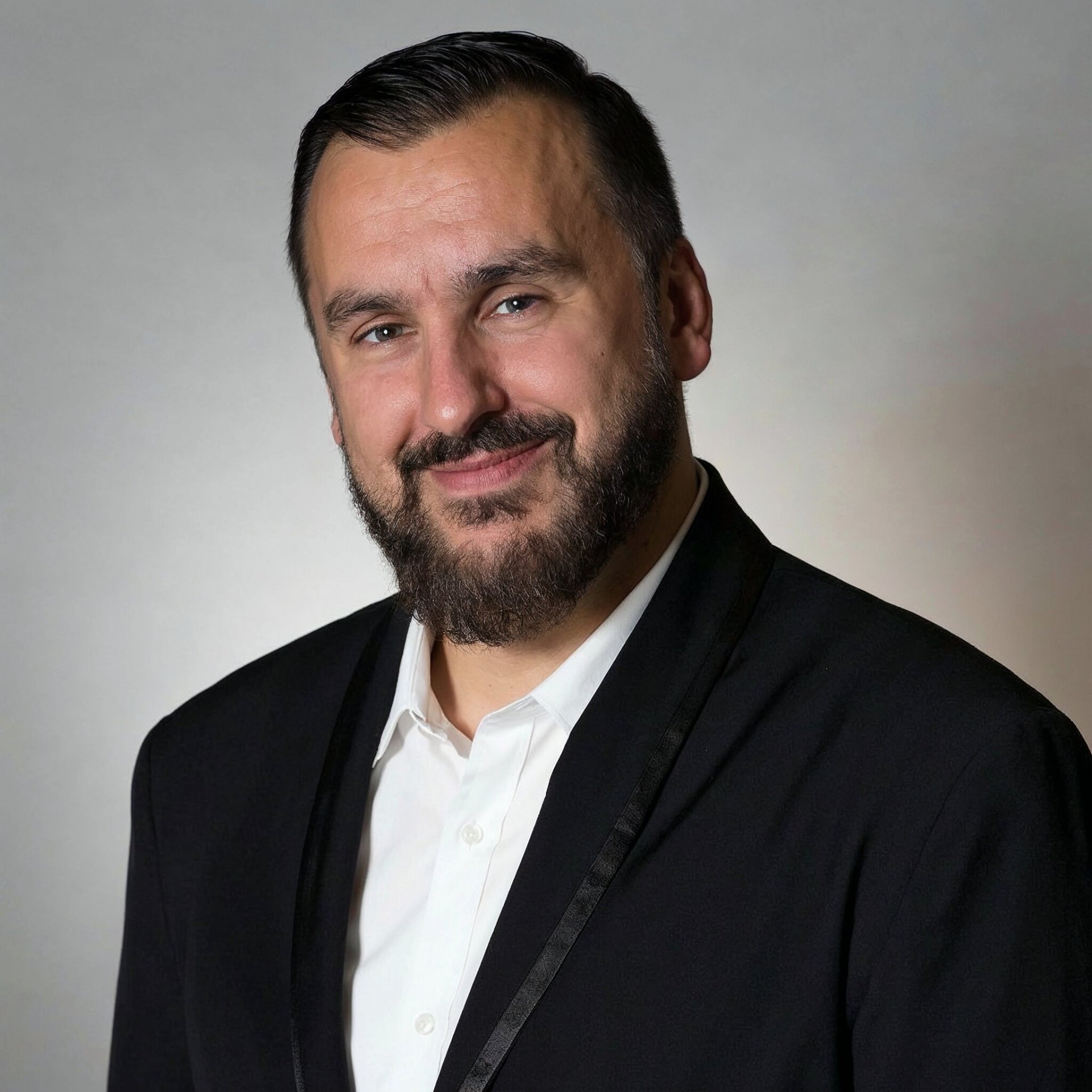
Simon Kölle
Producer, composer and media entrepreneur with 50+ international awards. Initiator of Sweden's most comprehensive theatrical film ROI study (1965-2024). In TMS1 he leads the slate strategy, sets the creative and commercial thesis for each production, and chairs the investment committee that approves capital deployment.
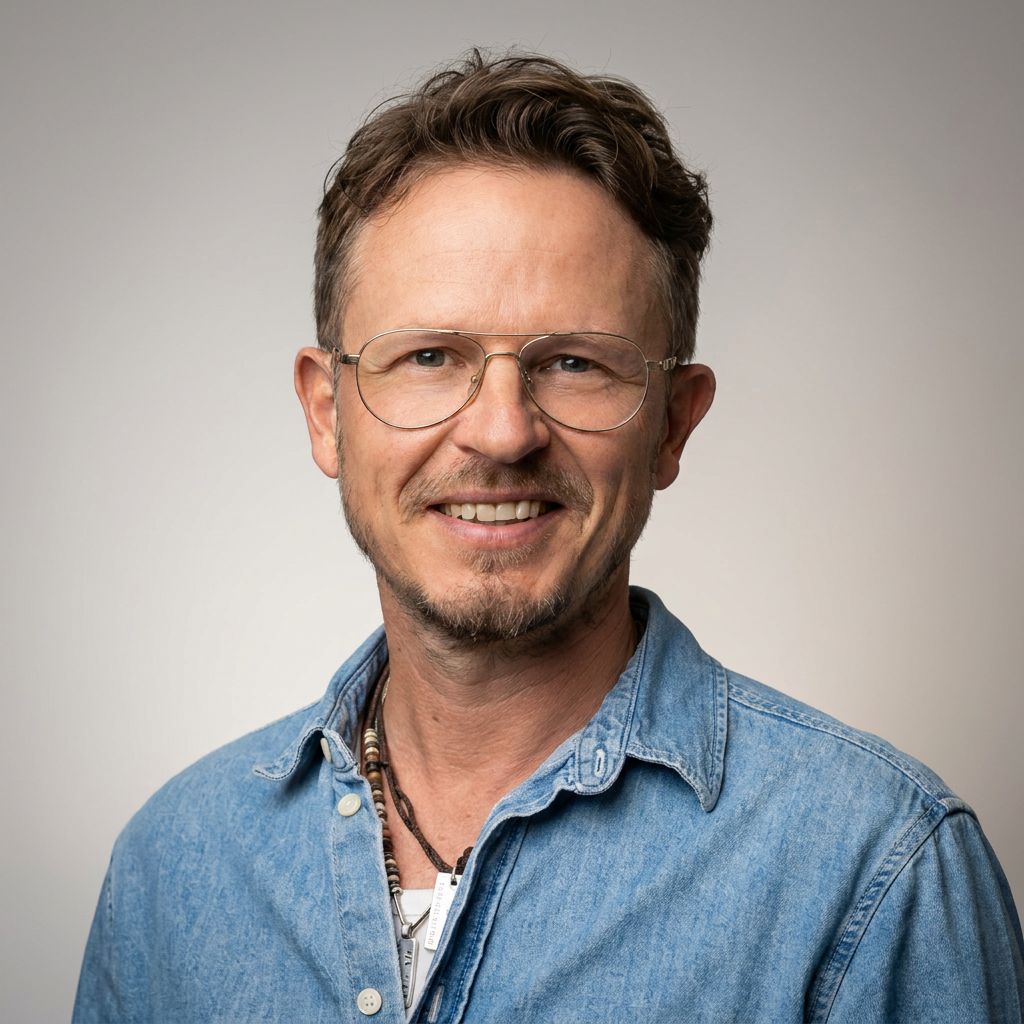
Richard Jarnhed
Director and production executive with 35+ years across film and television, with studio PR experience spanning Universal, Paramount and MGM. In TMS1 he is responsible for creative quality across the portfolio, leads development on the first productions, and oversees packaging, casting and director relationships for the full slate.

Zishan Ahmad
Strategic operations executive specialised in governance architecture and decision-making frameworks. In TMS1 he owns the operating model of the SPV (TMS1 AB), runs the milestone-based deployment process, and ensures alignment between investors, producers and the collection-account structure.
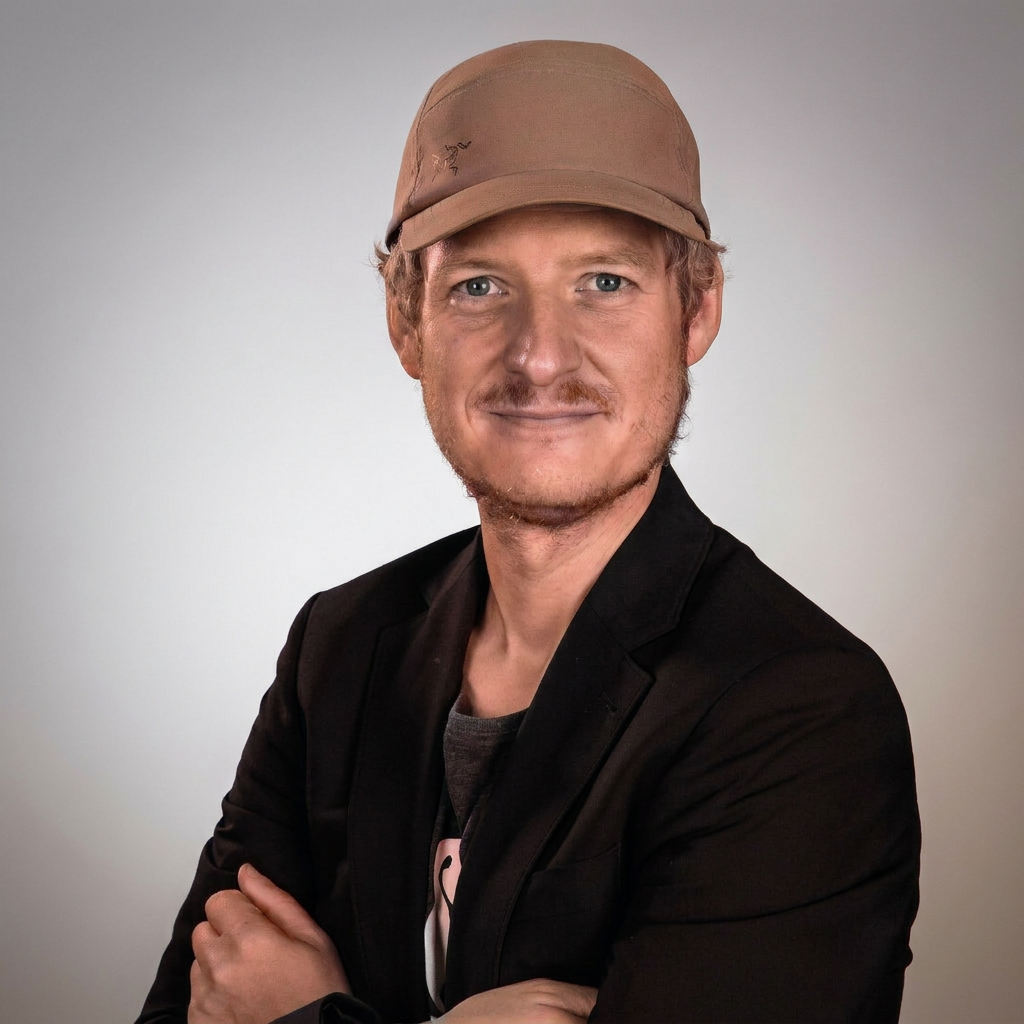
Carl Kristoffersson
Production executive with credits across Netflix, Disney, Warner and SVT. In TMS1 he is accountable for production economics across the six-film portfolio: budgets, schedules, resource optimisation, delivery and the on-set financial controls that protect the recoupment waterfall.

Tyler M. Reid
Two decades of experience across features, documentaries and live events, with credits including Sentimental Value, Cairo Conspiracy and PLEASURE. In TMS1 he leads investor structuring, soft-money and tax-incentive optimisation, and assembles the non-equity capital stack that accelerates investor recoupment.

George Sallfeldt
Former CEO of Morningstar Sweden (17 years) with deep institutional capital-markets experience. In TMS1 he provides independent oversight of the financial model, validates the FrameSage scenario work, and advises on reporting standards for institutional and family-office investors.
Tulpa Movie Slate I
at a glance.
Capital
- Total Slate Budget
- €33M
- Target External Equity
- €33M
- Producer Development Capital
- €500K+
- Public Development Support
- €400K+ · Kulturbryggan
Investor Economics
- 01
- 100% Capital Return
- 02
- +20% Investor Premium
- 03
- 80% of Net Profits
Timeline
Downside exposure materially reduced through slate diversification and milestone deployment.
Full bear-case probability modelling available in Annex 02.
Request the
full investor deck.
Detailed annexes, scenario modelling, governance documentation, and subscription terms available under NDA.